
As summer rolls in and the sun shines brighter, the temptation to gather around a cozy fire pit becomes irresistible. But before you grab the marshmallows, it’s crucial to check if there’s a burn ban in effect. Ignoring this simple step could lead to more than just a charred hot dog; it might land you in hot water with local authorities.
Navigating the world of burn bans can feel like deciphering a secret code. One day, it’s all about s’mores and laughter, and the next, it’s a no-go zone. So, is there a burn ban today? Let’s dive into the details and ensure your fire plans don’t go up in smoke—literally! Stay informed, stay safe, and keep those flames where they belong.
Understanding Burn Bans
Burn bans are essential regulations designed to prevent outdoor burning during specific conditions. Staying informed about these bans ensures safety and compliance with local laws.
What Is a Burn Ban?
A burn ban prohibits outdoor burning due to hazardous conditions. Such regulations frequently apply to activities like campfires and fire pits. These restrictions vary by location and can change based on environmental factors. Local authorities usually announce burn bans publicly, offering clear guidelines for residents. The primary goal focuses on reducing fire risk in vulnerable areas.
Reasons for Implementing a Burn Ban
Fire danger often prompts the announcement of burn bans. High temperatures, dry weather, and strong winds contribute to increased fire risks. During periods of drought, vegetation becomes more susceptible to ignition, making outdoor burning hazardous. Local agencies consider these factors when deciding to implement burn bans. Public safety remains the main priority, as unregulated fires may result in serious accidents or property damage.
Checking Burn Ban Status
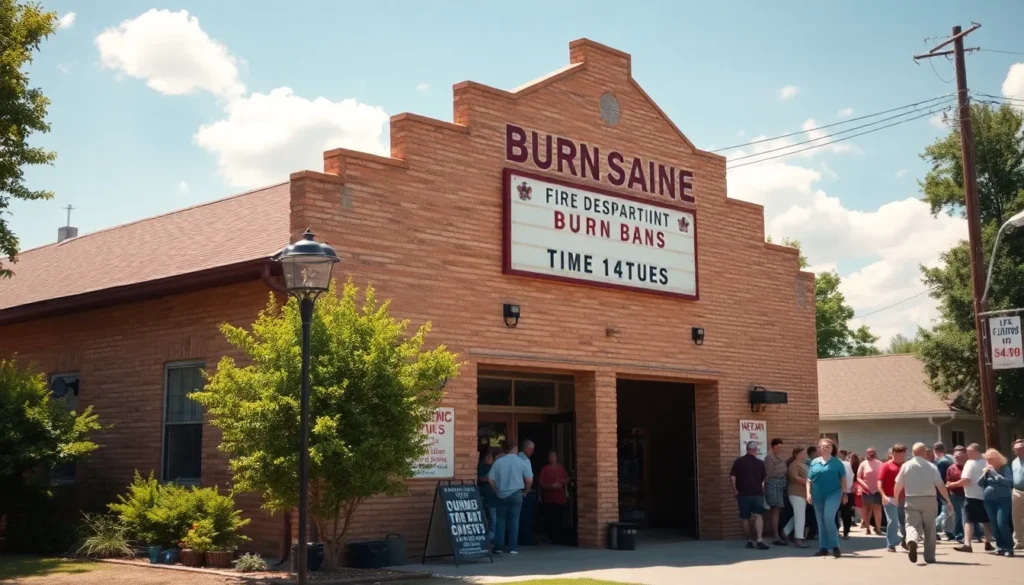
Staying informed about the current burn ban status is crucial for safety. It ensures that outdoor activities remain enjoyable and compliant with local regulations.
How to Find Out If There Is a Burn Ban Today
To check the burn ban status, individuals can visit their local fire department’s website. Many municipalities provide up-to-date information online. Phone calls to local authorities can also yield quick answers. Various community centers may display burn ban notices for easy access. Social media platforms often feature announcements regarding fire restrictions. Each of these resources helps residents stay informed about any active fire prohibitions.
Official Sources for Burn Ban Information
Official websites serve as reliable sources for burn ban details. State forest service sites frequently update their information based on current weather conditions. National fire incident reports provide insights into broader fire risks for the region. Local news stations often report on burn bans to keep the community informed. Emergency management offices publish guidelines and updates regarding fire safety. Utilizing these resources ensures access to the latest burn regulations.
Implications of a Burn Ban
Burn bans significantly affect outdoor activities and are crucial for maintaining safety. Compliance with these regulations ensures enjoyable experiences without the risks associated with fire hazards.
Effects on Outdoor Activities
Outdoor gatherings might face limitations due to burn bans. Campfires and barbecues, common summer activities, aren’t permissible during these periods. Families and friends can’t gather around fires as they often enjoy, leading to adjustments in plans. Alternatives like grilling indoors or enjoying a bonfire at designated times become necessary. Exploring other activities, such as hiking or picnicking, presents viable options while adhering to safety regulations.
Consequences of Ignoring a Burn Ban
Ignoring a burn ban can lead to severe outcomes. Individuals caught burning illegally face fines and legal repercussions from local authorities. Unchecked fires can escalate quickly, jeopardizing properties and lives. Communities suffer when residents disregard these critical regulations. Firefighters are taxed with increased call volumes, straining resources during emergencies. Public safety is compromised, increasing the risk of uncontrolled wildfires that may take away natural habitats.
Alternatives to Open Burning
Exploring safe alternatives to open burning ensures enjoyment during outdoor activities while adhering to safety regulations.
Safe Burning Practices
Fire pits can provide warmth and ambiance when used responsibly. Following local regulations promotes safety, especially during burn bans. Using a spark guard helps contain embers. Individuals must avoid burning during dry, windy conditions to minimize fire risks. Practicing proper site selection, such as maintaining a clear area around the fire, reduces potential hazards. It’s vital to keep a hose or bucket of water nearby to extinguish flames if necessary. Ensuring that burning materials are dry also decreases smoke. These practices enhance safety for everyone involved while complying with local restrictions.
Eco-Friendly Options for Yard Waste
Various eco-friendly alternatives exist for disposing of yard waste effectively. Composting offers an excellent way to recycle organic materials, enriching soil while reducing landfill waste. Setting up compost bins allows decomposition of leaves, grass clippings, and kitchen scraps. Mulching provides another viable option, where shredded yard waste creates ground cover that retains moisture and suppresses weeds. Hiring local yard waste collection services commonly helps residents properly dispose of larger debris. Finally, donating excess garden produce or plant trimmings to community gardens encourages sustainable practices while benefiting local initiatives. Each method contributes to responsible waste management without relying on open burning.
Staying informed about burn bans is essential for anyone planning outdoor activities. By checking local regulations before lighting a fire, individuals can ensure safety and compliance while enjoying their summer gatherings. Ignoring these restrictions not only poses risks to personal safety and property but also places unnecessary strain on firefighting resources.
Exploring alternative activities can lead to equally enjoyable experiences without the hazards associated with open burning. By being proactive and responsible, everyone can contribute to a safer environment and help prevent wildfires. Always prioritize safety and make informed decisions to protect both loved ones and the community.