When it comes to electoral votes, Nebraska does things a little differently. While most states stick to the winner-takes-all approach, Nebraska decided to spice things up with a split system. This quirky method not only keeps things interesting but also gives voters a chance to make their voices heard in a unique way.
Imagine a football game where each team gets to score points based on individual plays rather than just the final score. That’s Nebraska’s electoral process in a nutshell! By allocating electoral votes based on congressional districts, they’ve turned the electoral map into a colorful patchwork, reflecting the diverse opinions of their residents. So, what’s the deal with this unconventional approach? Let’s dive into the nitty-gritty of how Nebraska splits its electoral votes and why it matters in the grand scheme of things.
Understanding Nebraska’s Electoral Vote System
Nebraska’s electoral vote system stands out due to its unique method of allocation. This approach offers a detailed insight into voter preferences within the state.
Historical Context
Nebraska adopted its split electoral vote system in 1991, moving away from the winner-takes-all approach prevalent in most states. This decision stemmed from a desire to enhance representation and capture diverse political opinions. Over the years, this method has influenced election outcomes, showing how individual districts can impact statewide results. A notable example occurred during the 2008 presidential election when Barack Obama secured one electoral vote from Nebraska’s 2nd Congressional District, demonstrating the system’s ability to reflect localized voter sentiment.
Current Electoral Vote Allocation
Currently, Nebraska allocates its electoral votes based on its three congressional districts and two votes for the statewide winner. Each of the three districts contributes one electoral vote, allowing for more nuanced representation. The two additional votes reward the overall winner in the state. In 2020, for instance, Donald Trump received four of Nebraska’s five electoral votes, while Joe Biden earned one from the 2nd Congressional District. This allocation showcases how Nebraska’s system encourages candidates to campaign across the entire state rather than focusing solely on major urban areas.
The Process of Splitting Electoral Votes
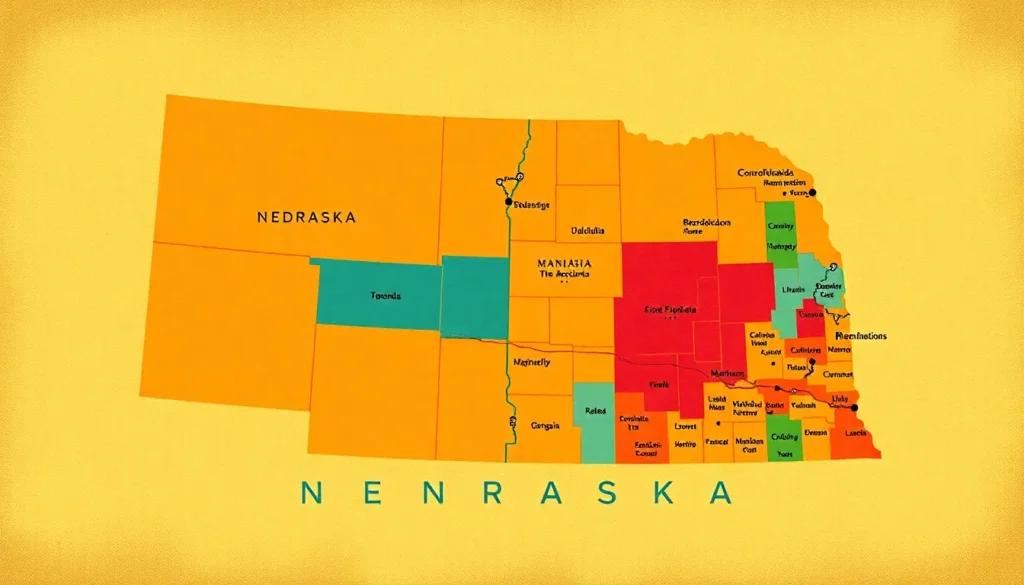
Nebraska’s method of splitting electoral votes provides a distinct approach compared to the majority of states. Electoral votes are allocated based on the results in congressional districts, allowing localized representation.
Congressional District Method
Each of Nebraska’s three congressional districts contributes one electoral vote, reflecting the preferences of voters in those areas. This structure means candidates must appeal to diverse opinions across the state. While campaigning, candidates must recognize that individual districts may favor different political views. The split system thus promotes localized engagement, encouraging voters to participate in the electoral process actively.
Winner-Takes-All Approach
Unlike Nebraska, most states utilize a winner-takes-all approach to electoral votes. In this system, the candidate securing the majority of votes captures all electoral votes in that state. This can lead to significant disparities between popular vote outcomes and electoral vote distribution. The all-or-nothing strategy tends to concentrate campaign efforts on larger urban areas, often overlooking rural interests. Nebraska’s split approach stands out as it allows for more nuanced representation of voter sentiments across the entire state.
Comparison with Other States
Nebraska’s method for splitting electoral votes stands out among U.S. states. Several others adopt similar approaches, allowing for a diversified representation of voter opinions.
States Using Similar Methods
Maine replicates Nebraska’s split electoral vote system, distributing its electoral votes according to congressional districts. Both states allocate two votes to the statewide winner, encouraging candidates to engage with a broader demographic. In 2020, Maine also allowed for local sentiments to influence the outcome, showcasing the effectiveness of this model in reflecting voter diversity.
States Using Different Methods
Most U.S. states utilize a winner-takes-all system. In these states, the candidate receiving the majority of votes secures all electoral votes, creating disparities between the popular vote and electoral distribution. For instance, Texas and California adopt this model, reinforcing the notion that candidates often focus on urban areas to secure wins. Consequently, rural voters risk feeling neglected, diminishing their influence in the overall electoral process.
Implications of Nebraska’s Electoral Vote Splitting
Nebraska’s unique electoral vote splitting system significantly influences the political landscape. This approach encourages candidates to address the diverse needs of its population.
Impact on Political Campaigns
Candidates targeting Nebraska often adjust their campaign strategies to engage residents across various regions. Focusing on individual congressional districts allows them to resonate with localized issues. The approach incentivizes candidates to visit urban and rural areas, ensuring broader voter interaction. For example, during the 2020 election, candidates addressed specific concerns pertinent to both Omaha and more rural communities. This engagement leads to a competitive atmosphere, compelling candidates to enhance their platforms based on district feedback.
Voter Representation
Voters in Nebraska can experience a greater degree of representation through the state’s electoral system. Each congressional district contributes at least one electoral vote, reflecting a wider variety of political opinions. For instance, Joe Biden’s acquisition of one electoral vote in 2020 illustrates how localized sentiments can influence election outcomes. This structure ensures that both urban and rural voices are acknowledged within the electoral framework. By implementing this system, Nebraska reinforces the idea that every voter plays a role in shaping the state’s political narrative.
Nebraska’s split electoral vote system offers a distinctive approach to representation in the electoral process. By allocating electoral votes based on congressional districts, it ensures that diverse voter opinions are acknowledged. This method compels candidates to engage with both urban and rural communities, fostering a more inclusive political environment.
As demonstrated in recent elections, localized sentiments can significantly impact outcomes, encouraging candidates to tailor their messages to resonate with various demographics. Nebraska’s system not only enhances voter engagement but also reinforces the importance of every individual’s voice in shaping the state’s political landscape. This unique approach serves as a model for promoting greater representation in elections across the nation.