Women’s strength has long been a powerful force that shapes societies, challenges norms, and inspires change. From breaking barriers in the workplace to leading movements for equality, women’s resilience and determination redefine what strength truly means. This strength goes beyond physical capabilities; it encompasses emotional, mental, and social dimensions that empower women to overcome obstacles and achieve their goals.
In a world that often underestimates their potential, women are stepping into roles that demand courage and tenacity. They’re not just participating in conversations about strength; they’re leading them. As we explore the multifaceted nature of women’s strength, it becomes clear that their contributions are vital to progress and innovation. Celebrating this strength is essential in fostering a more inclusive future for everyone.
Understanding Women’s Strength
Women’s strength encompasses a multifaceted concept that includes physical, emotional, mental, and social aspects. Recognizing these dimensions is essential in appreciating the powerful roles women play in shaping society.
Definition of Women’s Strength
Women’s strength refers to the ability to endure challenges, pursue ambitions, and advocate for equity and justice. It includes resilience in the face of adversity, the capacity to lead, and the tenacity to confront societal barriers. This strength manifests in various forms, such as leadership in professional environments, activism for social change, nurturing support in communities, and contributions to family well-being.
Importance of Women’s Strength in Society
Women’s strength is pivotal for societal advancement. It inspires innovation by introducing diverse perspectives and inclusive solutions that address complex issues. Empowered women challenge stereotypes, redefine success, and foster collaboration across different sectors. Their representation in leadership roles contributes to equitable decision-making processes, benefiting economies and communities alike. By celebrating and supporting women’s strength, society moves closer to achieving equality and resilience for all.
Physical Aspects of Women’s Strength
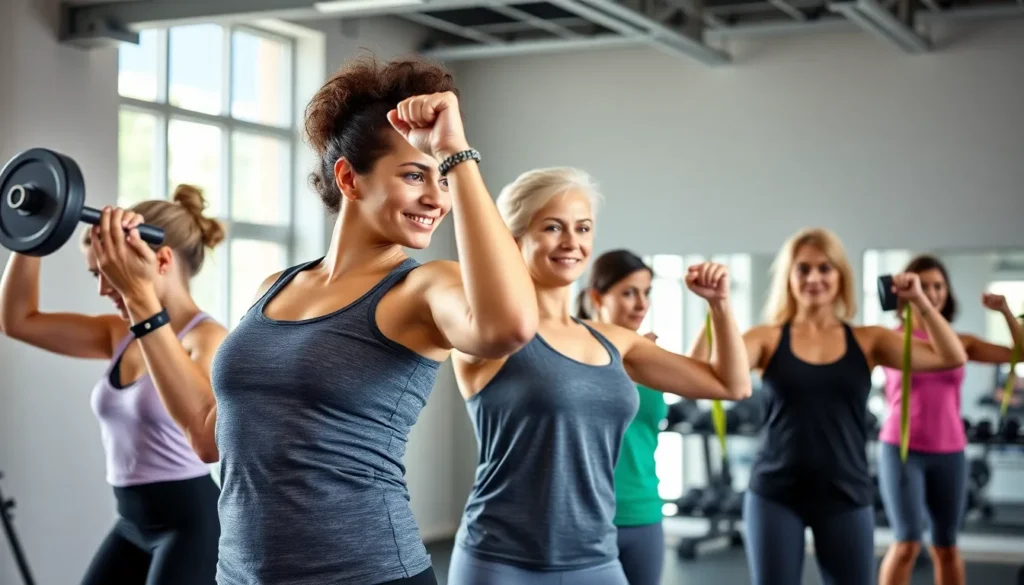
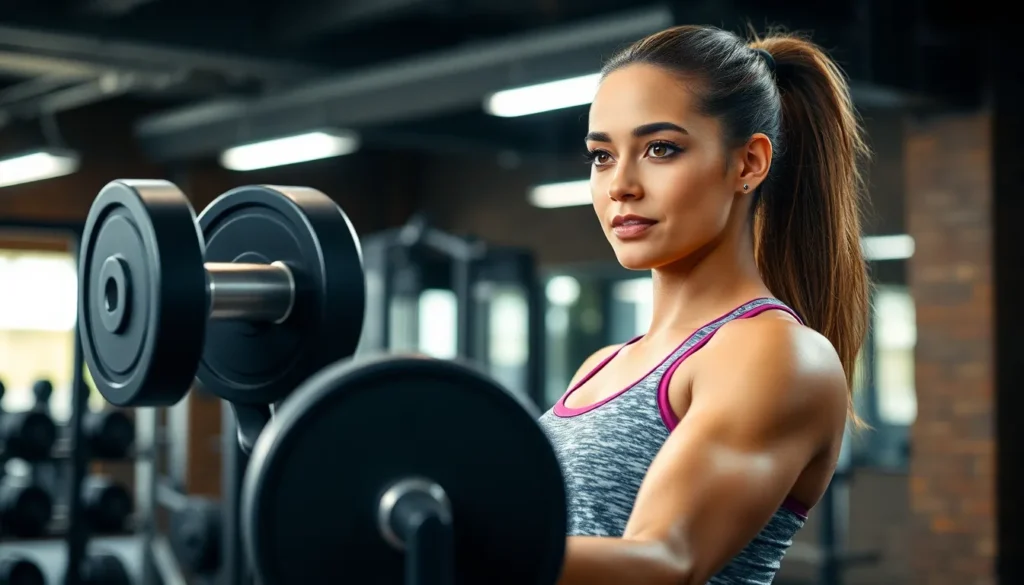
Women’s physical strength often evolves through both biological and social factors. Increased participation in strength training has reinforced women’s capabilities and challenged traditional views on femininity.
Strength Training for Women
Strength training offers women an opportunity to enhance muscle mass, endurance, and overall health. Engaging in resistance exercises, such as weightlifting or bodyweight workouts, promotes increased bone density, reducing the risk of osteoporosis later in life. According to the American College of Sports Medicine, women can benefit from strength training at least two to three times a week, focusing on all major muscle groups. Research indicates that women experience significant improvements in strength and muscle function, leading to enhanced performance in everyday activities.
Benefits of Building Strength
Building strength provides multiple benefits that extend beyond physical appearance. Improved muscle strength promotes better posture, reduces the risk of injury, and enhances metabolic rate, aiding in weight management. Strength training also elevates mental health by reducing anxiety and depression through the release of endorphins. Studies reflect that regular strength training fosters self-esteem and confidence, creating a positive feedback loop that encourages women to pursue ambitious goals. Additionally, a strong body supports an active lifestyle, enabling women to partake in various sports and recreational activities, which further contributes to their overall well-being.
Mental and Emotional Strength
Women exhibit remarkable mental and emotional strength, showcasing resilience and effective coping strategies in the face of challenges. This strength plays a vital role in their ability to navigate life’s hurdles successfully.
Resilience in Women
Resilience in women manifests as a capacity to adapt and recover from adversity. Women often display this resilience through:
- Facing setbacks: Women encounter various obstacles, yet they persist, seeking solutions and possibilities.
- Cultivating support networks: Women build strong connections with family, friends, and communities that provide emotional and practical support.
- Setting goals: Women establish clear, achievable objectives that empower them to overcome difficulties and enhance their self-esteem.
- Practicing self-care: Women prioritize mental health through mindfulness, exercise, and hobbies, which bolsters their resilience.
Research shows that resilient women contribute positively to their communities by guiding others through hardships, fostering a sense of solidarity and empowerment.
Coping Strategies for Challenges
Women employ diverse coping strategies to address challenges effectively. These strategies include:
- Problem-solving: Women approach issues systematically, breaking them down into manageable parts for resolution.
- Emotional expression: Women often articulate feelings, allowing for processing of emotions and reducing stress.
- Seeking professional help: Women are more likely to access therapeutic resources when faced with mental health challenges, promoting healing and growth.
- Engaging in physical activity: Exercise acts as a powerful coping mechanism, releasing endorphins that improve mood and reduce anxiety.
Employing these strategies not only aids in overcoming personal challenges but also encourages community support and resilience among peers. Women’s mental and emotional strength serves as a foundation for personal empowerment and societal progress.
Cultural Perspectives on Women’s Strength
Cultural views shape how society perceives women’s strength, with diverse interpretations influencing roles and capabilities. Understanding these perspectives provides insight into the evolution and recognition of women’s strength globally.
Women’s Strength Across Different Cultures
Women’s strength manifests uniquely across cultures, reflecting local values, traditions, and social expectations.
- Indigenous Cultures: Many indigenous communities celebrate women’s roles as keepers of tradition and wisdom. Women often lead social and economic activities, fostering community strength through collaboration.
- African Cultures: In various African cultures, women play essential roles in agriculture and community leadership. Their resilience in sustaining families and contributing to local economies illustrates their strength and adaptability.
- Asian Cultures: Many Asian societies emphasize women’s roles in familial support and education. Women influence intergenerational knowledge transfer, showcasing strength in nurturing.
- Western Cultures: In contemporary Western societies, women’s strength often aligns with empowerment and equality movements. Women lead initiatives for social change, advocating for rights and professional advancement.
These cultural perspectives highlight that women’s strength is multifaceted, deeply rooted in tradition and contemporary movements, inspiring future generations.
The Evolution of Women’s Strength in History
Women’s strength has evolved significantly throughout history, mirroring broader societal transformations.
- Ancient Societies: Early civilizations often recognized women as vital contributors to agriculture, trade, and governance. Women participated actively in economic systems, and some held positions of power as queens or leaders.
- Industrial Revolution: The Industrial Revolution marked a shift as women entered factories, demonstrating physical endurance and resilience. Their labor was crucial in shaping modern economies, advocating for better working conditions.
- 20th Century Movements: The suffrage and feminist movements of the 20th century emphasized women’s rights and equality. Women’s participation in these movements showcased their strength in advocating for social justice.
- Contemporary Era: Today, women continue to break barriers in various fields, from science to politics. Their ongoing contributions reflect the culmination of historical struggles and a commitment to equality and empowerment.
This historical evolution illustrates that recognizing and valuing women’s strength plays a pivotal role in fostering societal change and advancement.
Celebrating Women’s Strength
Celebrating women’s strength involves recognizing the exemplary contributions of women throughout history and today. Role models and movements continually inspire, empower, and promote the ideals of strength among women globally.
Notable Women Role Models
Notable women role models showcase diverse strengths across various disciplines, inspiring future generations.
- Malala Yousafzai: Advocates for girls’ education and stands against oppression. Her activism emphasizes resilience and courage in the face of adversity.
- Ruth Bader Ginsburg: Known for her pioneering work as a Supreme Court Justice, she championed gender equality and women’s rights, leaving a lasting legacy in the legal system.
- Marie Curie: A trailblazer in science, Curie’s groundbreaking research in radioactivity made significant contributions to medicine and physics, showcasing intellectual strength.
- Michelle Obama: As a former First Lady, she promotes education, health, and military families, encouraging women to embrace their voices and advocate for change.
- Serena Williams: A champion in tennis, she exemplifies physical strength and determination while advocating for gender equality in sports.
These role models, among many others, demonstrate that women’s strength transcends boundaries, inspiring collective growth.
Events and Movements Promoting Women’s Strength
Events and movements focused on women’s strength foster awareness and drive social change.
- International Women’s Day: Celebrated annually on March 8, it highlights women’s achievements and advocates for gender equality, emphasizing the importance of women’s roles in society.
- Women’s March: This global movement unites individuals advocating for women’s rights, social justice, and equity, showcasing how collective action amplifies women’s strength.
- #MeToo Movement: Originating in 2006 and gaining momentum in 2017, this movement raises awareness of sexual harassment and assault, empowering women to share their experiences and advocate for change.
- Girls Who Code: This organization promotes women in technology by providing resources, mentorship, and education, encouraging young girls to pursue careers in STEM fields.
- Lean In Circles: These peer support networks for women focus on sharing experiences, providing mentorship, and fostering professional growth, highlighting the strength of community support.
These events and movements empower women and inspire progress, contributing to a more equitable future.
Recognizing and celebrating women’s strength is essential for fostering a more equitable society. This strength, whether physical, emotional, or social, plays a crucial role in driving progress and innovation. By empowering women to embrace their capabilities, communities benefit from diverse perspectives and collaborative efforts.
As women continue to break barriers and redefine norms, their resilience and determination inspire future generations. The impact of women’s strength extends beyond individual achievements, creating a ripple effect that enhances the well-being of entire communities. Supporting and amplifying women’s voices not only champions equality but also paves the way for a brighter, more inclusive future for all.