In today’s fast-paced world, women’s communities have emerged as vital spaces for connection, empowerment, and support. These groups foster an environment where women can share their experiences, challenges, and triumphs, creating a sense of belonging that transcends geographical boundaries. Whether online or in-person, these communities provide invaluable resources and encouragement, helping women navigate both personal and professional landscapes.
As more women seek solidarity and collaboration, the impact of these communities grows stronger. They serve as platforms for mentorship, skill-sharing, and advocacy, amplifying voices that might otherwise go unheard. By understanding the essence of women’s communities, one can appreciate their role in shaping a more inclusive and supportive society.
Overview of Women’s Community
Women’s communities serve as vital networks for collaboration and support among women. These groups create opportunities for sharing personal experiences and challenges, resulting in strong bonds and a deep sense of solidarity. Members engage in various activities, from mentorship programs to skill-sharing workshops, which enhance personal growth and professional development.
Incorporating diverse perspectives, women’s communities cater to women of all backgrounds, ages, and interests. This inclusivity fosters innovative dialogue and encourages participants to broaden their horizons. Communities often prioritize advocacy efforts, addressing issues such as gender equality, health, and economic empowerment.
Numerous platforms exist for women to connect, both online and offline. Social media, local meetups, and professional organizations offer accessible avenues for women to join and contribute. Through these platforms, they can access resources, network with peers, and amplify their voices on critical issues affecting women today.
Women’s communities not only facilitate personal empowerment but also galvanize collective action. By uniting women around shared goals, they create a ripple effect, inspiring positive change within wider society. The growing presence of these communities reflects an essential shift towards a more inclusive and supportive environment for women everywhere.
Importance of Women’s Community
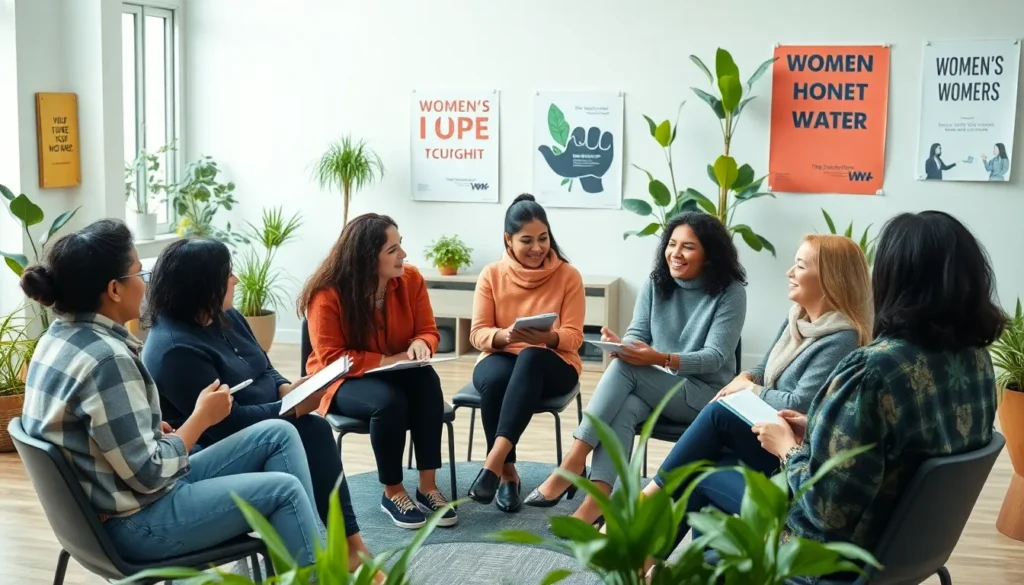
Women’s communities play a crucial role in fostering support and ensuring empowerment among individuals. These spaces cultivate solidarity, nurturing connections that enhance personal and professional growth.
Support Systems
Support systems within women’s communities create safe environments for sharing experiences and challenges. Members offer emotional encouragement and practical advice, addressing everything from mental health issues to career development. Local and online meetups often feature discussion groups, workshops, and mentorship programs, providing diverse resources that members can access. These networks also facilitate connections with local organizations, ensuring that women have access to necessary services, such as legal aid or health resources.
Empowerment Initiatives
Empowerment initiatives within women’s communities focus on fostering leadership and self-advocacy. Programs often include skill-building workshops, public speaking events, and training seminars that equip members with practical knowledge. Many communities promote initiatives around economic independence, encouraging women to start businesses or develop financial literacy. Initiatives also include advocacy campaigns that amplify women’s voices on critical issues like gender equality, health rights, and workplace discrimination, driving systemic change and creating supportive networks for all women involved.
Types of Women’s Communities
Various types of women’s communities exist, each serving unique purposes while fostering connection and support. These communities can be categorized primarily into online communities and local organizations.
Online Communities
Online communities provide a virtual space for women to connect, share experiences, and support one another regardless of geographical barriers. These platforms often include forums, social media groups, and dedicated websites focusing on specific interests or issues. For instance, platforms like Facebook Groups and Reddit allow for discussions on topics ranging from entrepreneurship to mental health. Many of these communities facilitate events such as webinars and virtual workshops, enhancing outreach and accessibility. Women can network with peers, access a wealth of resources, and participate in mentorship programs without location constraints.
Local Organizations
Local organizations create physical spaces for women to meet and engage in face-to-face interactions. These organizations typically host events, workshops, and support groups tailored to the community’s needs. For example, women’s shelters, professional networking groups, and advocacy organizations provide tailored programs addressing topics like career advancement, health education, and legal rights. Such interactions foster deeper personal connections and often encourage collaboration on community projects. Local organizations also act as important allies, connecting women with resources such as counseling services, job training programs, and advocacy initiatives.
Challenges Faced by Women’s Communities
Women’s communities encounter significant challenges that can hinder their effectiveness and reach. Two primary barriers include social and cultural obstacles as well as resource limitations.
Social and Cultural Barriers
Social and cultural barriers often obstruct women’s communities. Gender stereotypes perpetuate limitations on women’s roles, affecting perceptions both within communities and society at large. Cultural norms can discourage women from participating actively or seeking leadership positions. Additionally, discrimination based on race, socioeconomic status, or sexual orientation may further marginalize women who already face societal inequalities. Navigating these societal structures requires dedicated strategies for fostering inclusivity and promoting diverse voices.
Resource Limitations
Resource limitations present another critical challenge for women’s communities. Many organizations operate on tight budgets, which restricts their ability to provide comprehensive services or programs. Insufficient funding limits opportunities for workshops, training, and outreach efforts. Additionally, access to essential resources such as counseling, healthcare, and educational materials can vary widely. Many communities rely on volunteers for support, leading to uneven levels of engagement and expertise. Addressing these constraints requires collaboration and advocacy to secure funding and resources necessary for sustainable growth.
Women’s communities play a crucial role in shaping a supportive and empowering environment for women across the globe. By fostering connections and sharing resources, these groups enhance personal and professional growth. They not only amplify women’s voices but also drive vital conversations around gender equality and social justice.
As challenges persist, the commitment to inclusivity and resource allocation will determine the future impact of these communities. Embracing diverse perspectives and prioritizing collaboration will ensure they continue to thrive. Ultimately, women’s communities stand as beacons of hope and resilience, inspiring women to rise together and create lasting change.